One of the most common mistakes businesses make when commissioning custom software is underestimating what scoping actually involves. A well-scoped project defines not just what you want to build, but why, for whom, and at what cost before a single line of code is written.
In this article, we break down the key steps that separate successful custom software engagements from the ones that blow out in time and budget.
Start with the problem, not the solution
Most project briefs arrive with a pre-determined solution already baked in. A client will say "we need an app" when what they really need is a faster way to process insurance claims. Starting with the solution narrows your thinking before you have understood the full shape of the problem.
Spend the first phase of any engagement defining the business problem in plain language. What is breaking today? Who does it affect? What does success look like in six months? These questions are deceptively simple, but the answers will shape every decision that follows.

Free Guide
A Practical Guide to Custom Software Projects
Real pricing, transparent processes, and an honest look at what it takes to build software that lasts before you commit to your next project.
Download the Free GuideDefine scope in layers, not all at once
Trying to lock down every feature before development begins is a recipe for scope creep and rework. Instead, define scope in layers: start with the core user journeys, then work outward to supporting features, and treat everything else as a backlog item to revisit later.
This approach keeps the initial build lean and gives your team room to learn from real user feedback before committing to the full feature set. It also makes budget conversations far more honest you are pricing the core, not a wishlist.
Get your stakeholders aligned early
Nothing derails a project faster than a senior stakeholder arriving late in the process with fundamentally different expectations. Alignment sessions at the scoping stage are not optional they are the single best investment you can make before development begins.
Run a structured workshop with every decision-maker present. Map out the user journey on a whiteboard. Challenge assumptions out loud. Surface disagreements before they become change requests at sprint twelve.
What legacy systems have to do with it
For many mid-size organisations, new custom software does not exist in isolation. It has to integrate with, replace, or work around systems that have been in place for a decade or more. This is one of the most underestimated risks in any software project.
Understanding your existing technology landscape before you start scoping is not just useful it is essential. Hidden dependencies, undocumented APIs, and brittle integrations can add months to a delivery timeline if discovered mid-build.
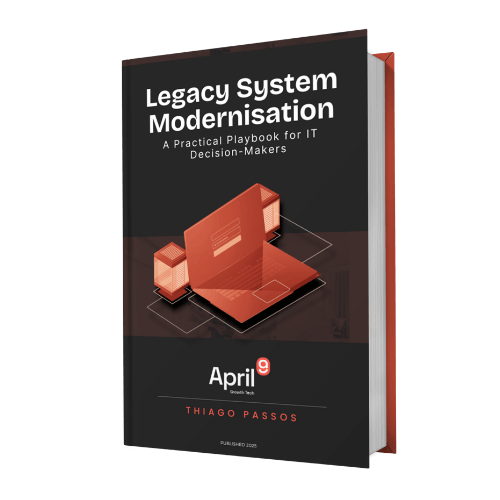
Free Playbook
Legacy System Modernisation: A Practical Playbook for IT Decision Makers
Practical frameworks and real-world case studies to help you modernise outdated systems without the usual transformation headaches.
Download the Free PlaybookThe cost of getting scoping wrong
A poorly scoped project does not just cost money it costs trust. When delivery timelines blow out and budgets are exceeded, the relationship between client and vendor suffers in ways that are hard to recover from. Decisions made in haste during scoping often become the source of every painful conversation that follows.
The good news is that rigorous scoping is learnable. It requires discipline, the right questions, and the willingness to slow down at the start so you can move fast later. The businesses that get this right consistently deliver software that their teams actually use and that drives measurable results.