Surf Life Saving Foundation (SLSF) — Lottery and Donation System (LADS) Implementation
Executive Summary
Eliminating Manual Bottlenecks to Power a Modern Fundraising Engine
For over 15 years, the Surf Life Saving Foundation (SLSF) relied on a legacy iMIS system that was costly, rigid, and manually intensive. SLSF partnered with April9 to deliver a purpose-built Lottery and Donation System (LADS) on the Stack9 platform — modernising operations end-to-end while meeting strict Queensland gaming compliance standards.
At a glance:
- Near-instant e-ticket delivery (previously 2–3 days)
- 2M+ supporter profiles unified into a single, real-time customer view — spanning sales, marketing, and support
- Over $100k a year in legacy licensing costs eliminated, consolidating a legacy hosting and licensing arrangement and a bolt-on SaaS marketing platform into one native solution
- Automated OLGR compliance workflows built on an immutable audit ledger, replacing a manual, standalone draw process
- Configuration-level flexibility empowering SLSF's internal team to make changes without new dev tickets
Client Background
The SLSF's Mission: Funding Water Safety Across the Australian Coastline
As the fundraising arm of Surf Life Saving Australia (SLSA), SLSF runs the philanthropic and commercial programs — including Surf Life Saving Lotteries — that fund SLSA's lifesaving operations nationwide.
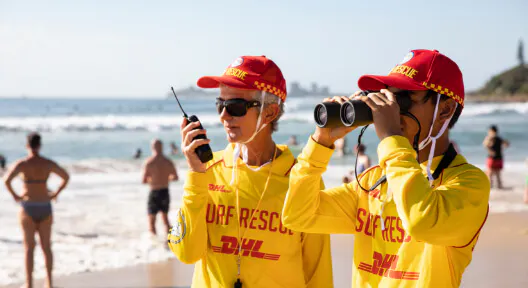
SLSA lifesavers rescue around 30 people a day and perform 451 preventive actions every hour, protecting visitors across more than 12,000 beaches and 50,000km of coastline that draw over 500 million visits a year. Since 1907, SLSA volunteers have rescued over 715,000 people — work that depends directly on the funds SLSF raises and distributes to states and territories.

The Challenge
Legacy Tech and a Costly, Fragile Stack
Despite SLSF's critical mission, a 15-year-old legacy environment was quietly constraining the foundation's ability to operate efficiently and scale.
System Reliability Issues
The ageing iMIS platform required two full-time staff just to keep it operational, with frequent instability disrupting fundraising activity. Complex, brittle integrations with external systems meant that when one part of the stack failed, the impact rippled across the entire fundraising operation.
Manual Process Bottlenecks
Core processes were manual by necessity. E-tickets were sent via HubSpot — a genuine, actively-used email marketing platform for SLSF, but one delivering tickets on a 2–3 day delay rather than instantly. The lottery draw itself ran on a standalone Electronic Draw System (EDS) with no live connection to the core transaction database, meaning staff manually transferred ticket data between systems ahead of every draw — a slow process carrying real compliance and error risk.
Sales data from web, telemarketing, and field channels didn't flow automatically into the core system either, creating ongoing manual reconciliation work.
The Cost of a Bundled SaaS Stack
SLSF was paying for an enterprise licence with HubSpot, a leading marketing platform used for genuine day-to-day campaign delivery and list management. Like most large SaaS marketing suites, though, HubSpot's licensing bundles a broad layer of enterprise-grade automation tooling in alongside the core functions most organisations actually use — a standard industry structure, not a reflection of how well a platform is used. Combined with a separate legacy hosting and licensing contract, this gave SLSF a clear opportunity to consolidate onto a single, right-sized, purpose-built platform.
Compliance Complexity
Operating under Queensland's Office of Liquor and Gaming Regulation (OLGR), SLSF needed to demonstrate strict data integrity, security, and auditability standards. But the disconnected, manual nature of the EDS made this hard to evidence — certification for major changes could take up to 6 months, slowing SLSF's ability to adapt or launch new game formats.
Objectives
Business Continuity and Efficiency Through Automation
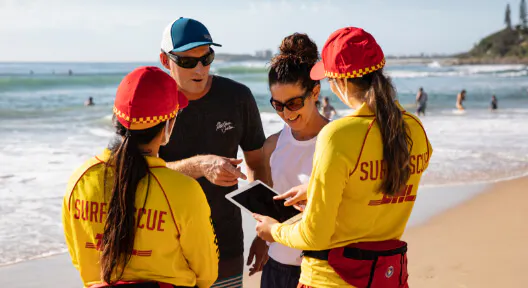
Faced with the limitations of its legacy system, SLSF set out to build a scalable Lottery and Donation System capable of protecting business continuity and maintaining consistent revenue — particularly through monthly subscription runs — without disruption post go-live.
Importantly, this project was never about growing lottery sales or donations directly, and it wasn't designed to change the supporter experience at the point of purchase. The focus was entirely on reducing operational overhead and improving internal efficiency.
Key objectives included:
- Automating e-ticket delivery to reduce reliance on physical mail and improve efficiency
- Reducing e-ticket delivery times (previously 2–3 days) through streamlined processes
- Enhancing integration with external sales channels via automated workflows
- Improving bank integrations using APIs to eliminate manual payment file uploads
- Implementing real-time payment processing, including a strategy to reprocess declined payments
The Solution
A Modern, Purpose-Built Stack9 Ecosystem
April9 delivered LADS as a serverless platform built on Stack9, hosted within an ISO 27001-certified environment — replacing the fragmented legacy stack with a single, integrated ecosystem covering customer management, lottery and draw administration, sales, subscriptions, finance, and reporting.
[DIAGRAM: HIGH-LEVEL LADS/STACK9 SYSTEM ARCHITECTURE SHOWING CORE MODULES (CRM, LOTTERY, SALES, SUBSCRIPTIONS, FINANCE) AND EXTERNAL INTEGRATION POINTS]
Core Technology Components
- AWS Quantum Ledger Database (QLDB) — An immutable, cryptographically verifiable ledger recording every ticket sale, subscription run, and draw result. Not even system administrators can alter historical records, directly satisfying OLGR's audit integrity requirements.
- OpenSearch — Enables sub-second lookups across 2M+ supporter profiles and 13M+ call centre logs, giving staff instant access to customer and transaction history during service calls and audits alike.
- Automated Compliance Workflows — Built in direct collaboration with SLSF's business team, these validate every transaction in real time — regardless of channel — and automatically exclude invalid entries from the draw pool.
- API Gateway Integration — Real-time connections across SLSF’s sales and communication channels — including Westpac Quickstream (payments), in-field sales app, telemarketing platform, mail-house partner, and phone system — so sales data flows into LADS the moment it's captured, regardless of channel.
Replacing HubSpot — Right-Sized for SLSF's Needs
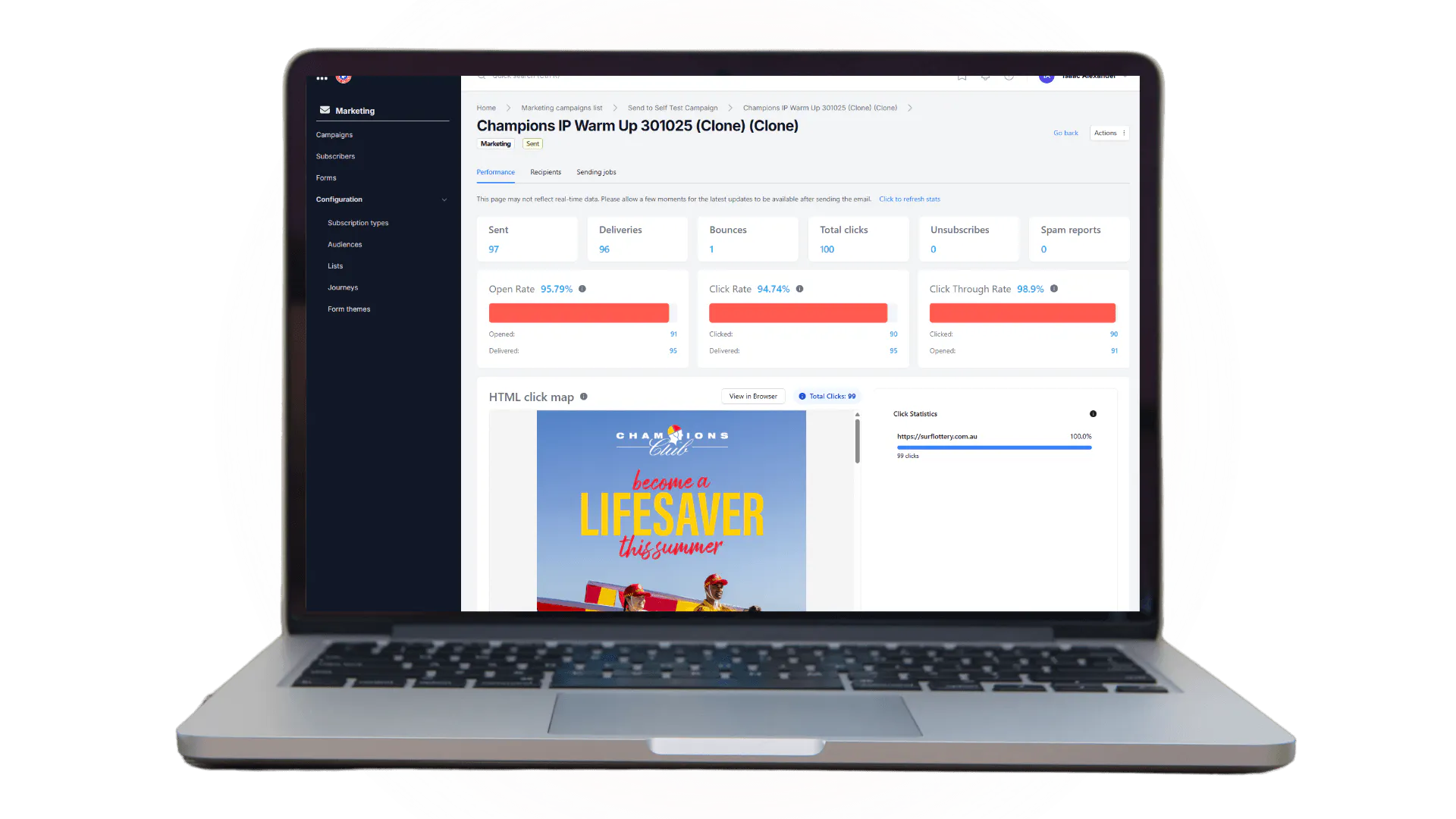
Rather than treating email marketing as an afterthought, April9 built Stack9 Experience as a genuine like-for-like replacement for SLSF's real-world HubSpot usage — list segmentation, campaign sends, and supporter communications, the tools SLSF's marketing team relied on every day. What it leaves out is the layer of enterprise features that come bundled into large SaaS marketing suites as standard — capability many organisations don't draw on day to day, regardless of how well they run their marketing operations.
The new platform includes:
- Automated email journeys — Rules-based journey builder with conditional branching, triggering marketing emails based on supporter behaviour, timing, or lifecycle stage
- Send-time optimisation — Delivering communications when historical data shows each supporter is most likely to engage
- Real-time webhook telemetry — Feeding email opens, clicks, and bounces directly back into each supporter's individual profile
With this new enterprise-grade email marketing platform at their fingertips, SLSF's marketing and fundraising teams were fully empowered to plan and run their campaigns and continue raising funds for SLSF's vital cause.
Migrating Communication Preferences, Compliantly
One of the more complex technical challenges was reconciling two fundamentally different preference models: iMIS operated on an opt-out basis (supporters included by default unless excluded), while LADS was built around an opt-in model. April9 designed a dedicated transformation logic layer to translate legacy exclusion rules (covering email, mail, phone, and other contact channels) into native LADS correspondence rules — preserving supporters' original preferences exactly, without compliance gaps, through the cutover.
Migration at Scale
The live cutover involved auditing and migrating:

2M+ customer profiles

2.9M+ historical preference records, with 800K+ duplicate legacy records identified and cleaned

26M+ historical outbound email logs

2.8M+ historical outbound mail records

2.5M+ active lottery entries carried into the new platform at launch

13M+ call centre history logs, now searchable in sub-second time
Implementation: From Discovery to Delivery
Initiated in 2022 and live in October 2024, LADS was delivered through a structured, multi-phase programme:

Discovery (late 2022):
50+ hours of stakeholder interviews across 12 SLSF stakeholders and 4 external partners to map requirements and design the new architecture
Core Build (2023):
Payment integration and core interface delivery
Partner Integrations (2024):
In-field sales app, call centre and mail-house integrations completed
Migration and Go-Live (2024):
Final data validation and live cutover
Marketing Migration (2025):
Stack9 Experience goes live, fully replacing HubSpot for SLSF's email marketing operations
LADS Phase 2 (2025-26):
CIAM/Cognito authentication portal, standalone supporter dashboards, new Marketing features

UAT and Governance
SLSF's team led UAT using real-world test scenarios drawn from day-to-day operations. As development progressed, April9 and SLSF worked together to refine and re-prioritise the test suite so effort stayed focused on core functionality rather than edge cases. A monthly steering committee tracked progress, managed risk, and approved change requests throughout delivery, with clear escalation paths keeping the project on schedule.
Compliance: Meeting OLGR Standards by Design
Operating lotteries under Queensland's OLGR framework demands rigorous technical standards around data integrity, auditability, and draw fairness. LADS was engineered to meet these requirements natively rather than as a bolt-on:
- Immutable audit trail: Every ticket sale and draw event is permanently recorded in AWS QLDB — tamper-proof by design, satisfying OLGR's core audit requirement
- Real-time transaction validation: Sales from every channel (web, telemarketing, partner APIs) are automatically checked against licensing and eligibility rules before entering the draw pool
- Certified RNG integration: Verified ticket data feeds directly into audited, certified Random Number Generator draw systems via API, removing manual file handling from the process entirely
- Fast audit retrieval: OpenSearch enables instant lookups across millions of historical records during routine compliance reviews
The result: certification timelines for major changes have moved well beyond the old 6-month baseline, and draw preparation now requires zero manual data handling.
Results
A Faster, Leaner, More Resilient Platform
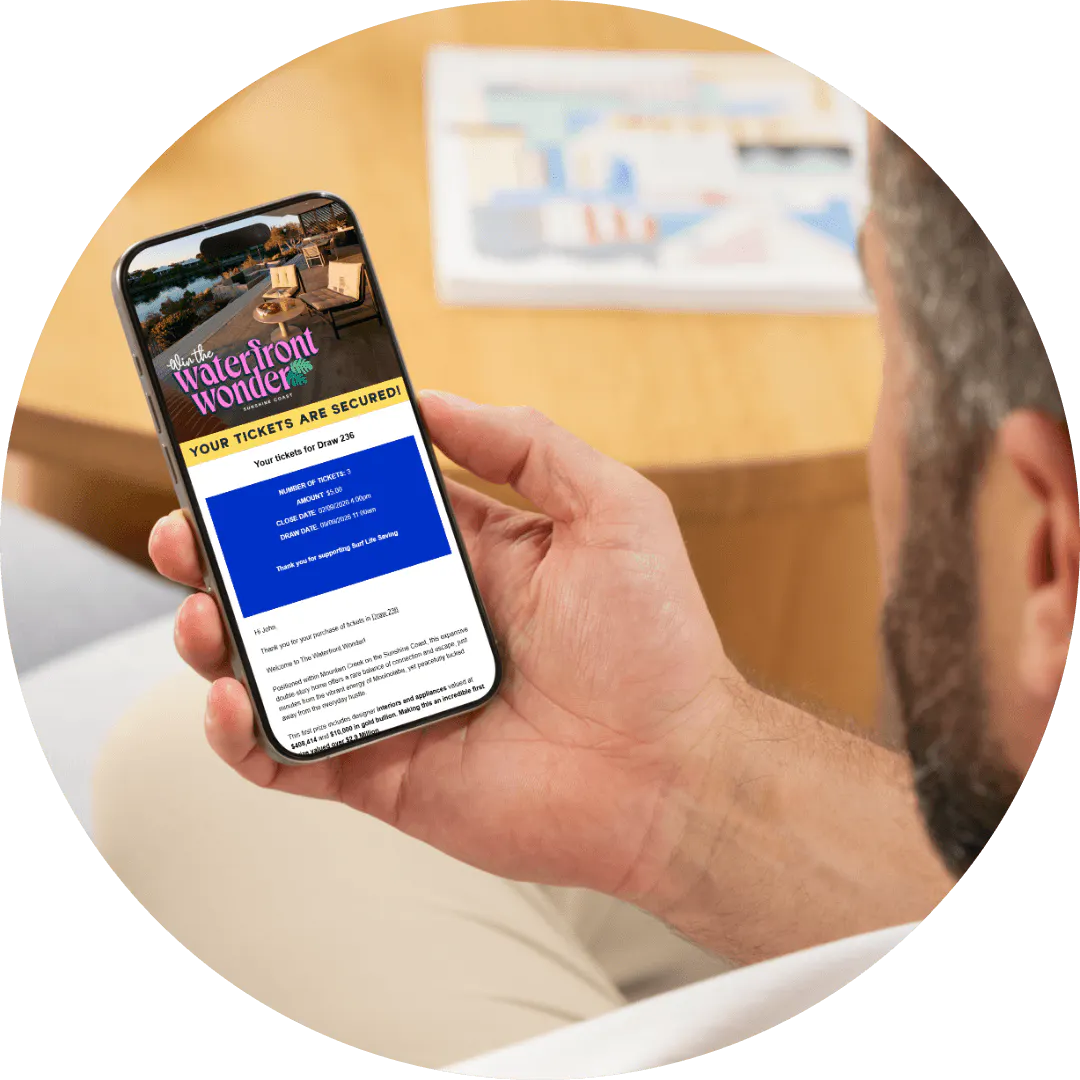
- Near-instant e-ticket delivery, down from 2–3 days
- Over $100k a year in legacy licensing costs eliminated, from replacing bundled legacy hosting/licensing and marketing tooling with a right-sized, purpose-built platform
- Real-time data integration across web, telemarketing, field sales, and the mail house
- Automated OLGR compliance workflows, cutting certification timelines and removing manual draw-prep risk
- 2M+ supporter records with sub-second lookup via OpenSearch
- Configuration-level flexibility — SLSF's internal team can now make many changes independently, without new development tickets
Additional Benefits
Beyond the original project scope, SLSF found the platform's flexibility opened up further efficiencies. Real-time sync across sales channels reduced manual reconciliation work throughout the business, not just within the lottery function — and the ability to make configuration-level changes independently gave SLSF's internal team a level of agility the legacy system never allowed.
Future Outlook
Building on Success
With LADS established as the operational backbone of SLSF's fundraising, April9 continues to support and extend the platform:
Phase 2 — Supporter-Centric Enhancements
- Supporter Self-Service Dashboard, with secure Cognito-based sign-on, subscription management, and automated ATO-compliant tax receipt downloads
- Bequest Management System for tracking and forecasting planned giving
- Dynamic Lists, the top strategic feature request from SLSF's marketing team, enabling live, rules-based audience segmentation directly in Stack9 Experience
- Advanced Event Capture Framework, extending tracking beyond email engagement to on-site supporter behaviour post-clickthrough
These enhancements build toward a fully integrated fundraising ecosystem — one where SLSF's operational efficiency scales alongside its growth, rather than creating new bottlenecks.

Note: Since this project's delivery, the Surf Life Saving Foundation has been renamed Surf Life Saving Giving as part of a national restructure aligning fundraising directly under Surf Life Saving Australia (SLSA). This case study refers to the organisation as SLSF throughout, reflecting its name at the time of the engagement.